
If you’ve been diagnosed with skin cancer and Dr. Dharia has recommended Mohs surgery, it’s natural to have questions. Mohs surgery is a highly effective treatment that removes cancerous tissue while preserving as much healthy skin as possible. To help you feel confident and prepared, here are five important questions to ask before your procedure.
1. Is Mohs Surgery the Best Option for Me?
Mohs surgery is typically used to treat types of non-melanoma skin cancer like basal cell carcinoma (BCC) and squamous cell carcinoma (SCC), especially when they occur on highly visible areas like the face or hands. If this is the case for you, Dr. Dharia may recommend Mohs as the most effective treatment option.
Other types of skin cancer treatment such as excision may be recommended for patients with melanoma or less-visible non-melanoma skin cancers.
2. How Many Stages of Mohs Surgery Will I Need?
Mohs surgery is performed in stages, meaning that Dr. Dharia will remove cancerous tissue one layer at a time and examine each under a microscope before removing another layer. This process helps to ensure that all cancerous tissue is removed while minimizing the amount of healthy tissue that is affected.
While the exact number of stages that will be required for your procedure will depend on a variety of factors, Dr. Dharia will be able to provide you with an estimate prior to your procedure so you know what to expect.
3. What Can I Expect During the Procedure?
Knowing what to expect before your procedure can help to ease any anxiety you may have. Ask questions like:
- How long will my procedure take?
- What type of anesthesia is used?
- Will I feel anything during Mohs surgery?
- What happens when my Mohs surgery is finished?
4. How Do I Care for My Skin after Mohs Surgery?
After Mohs surgery, you will be sent home with bandages covering the treated area and detailed guidelines on how to care for your skin as it heals. It can be helpful to ask Dr. Dharia any questions you might have about aftercare for your skin prior to your procedure so you don’t feel overwhelmed when you get home.
5. What’s the Follow-Up Timeline Like after Mohs Surgery?
Going to your scheduled follow-up appointments after Mohs surgery is a crucial part of your long-term recovery and prevention plan. Dr. Dharia will likely ask that you schedule at least one follow-up appointment shortly after your procedure to make sure everything is healing as it should. Then, he generally recommends maintaining regular check-ups every 3 to 6 months for the first several years to keep a close eye on any signs of recurrence.
Still Have Questions about Mohs Surgery?
A skin cancer diagnosis can be daunting – the team at Pacifica Dermatology is here to guide you through every step along the way. If you have any questions about your treatment plan or need to schedule an appointment with Dr. Dharia, please call us at 805-484-2855 or fill out our secure online contact form.
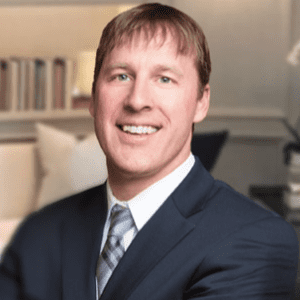
Author: Dr. Daniel G. Kolder
Dr. Daniel G. Kolder is board certified by the American Board of Plastic Surgery. As a highly trained plastic surgeon serving Ventura County, he is best-known for his warm, easy manner, compassionate care, and beautiful, natural results.